A street is an ecosystem
Retail streets fail from the edges inward, and the first signs are visible long before the vacancies are.
Vacancy compounds
One empty unit is a gap. Three in a row is a dead block, and shoppers stop walking past it, which starves the businesses on the far side. The cost of a vacancy is paid mostly by the neighbours, which is why it is rarely the landlord who feels urgency about it.
Rents set the character
When rents rise faster than local spending, the businesses that survive are the ones with the thinnest connection to the town — chains, offices, anything that does not depend on people walking in. A street can be fully occupied and still functionally dead.
Parking is a proxy argument
Parking disputes are rarely about parking. They are about who the street is for, and whether convenience for drivers passing through outweighs the experience of people on foot. Towns that treat it as an engineering question keep having the same argument every few years.
Events are infrastructure
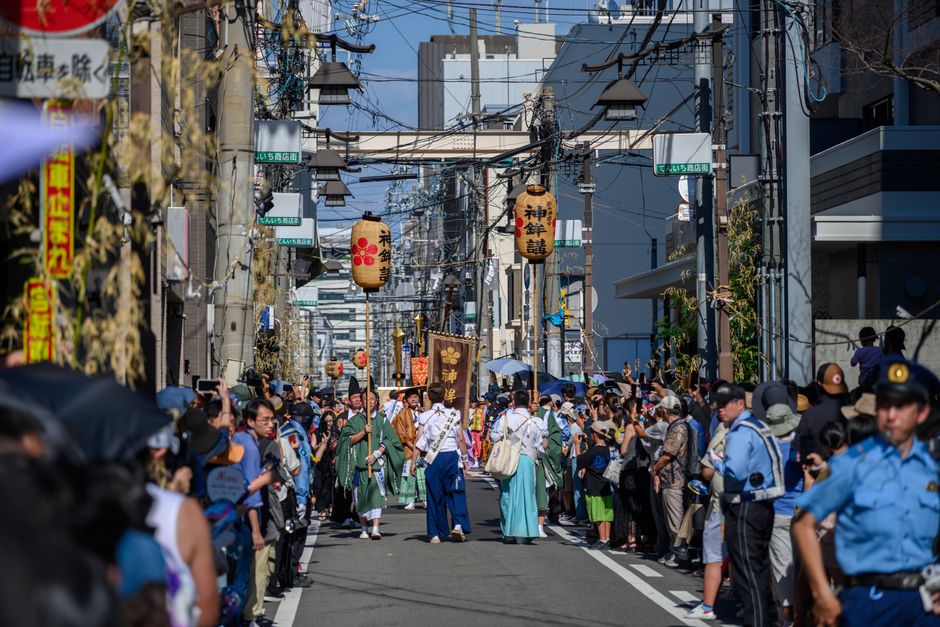
A market, a festival, a regular evening opening — these do more for a commercial street than any amount of signage, because they create a reason to be there that does not require buying something. They are also the first thing cut when a budget tightens.
What actually helps
Consistent opening hours across a block, a shared approach to seasonal decoration, and somebody whose job it is to notice when a unit is about to go empty. Dull, cheap, and more effective than most strategies.
Signage is cheaper than strategy
A visitor who cannot find the public car park, the toilets or the second half of the shopping street will see a third of what is there. Towns spend years on economic plans and leave finding-your-way to chance, which is backwards in both cost and effect.